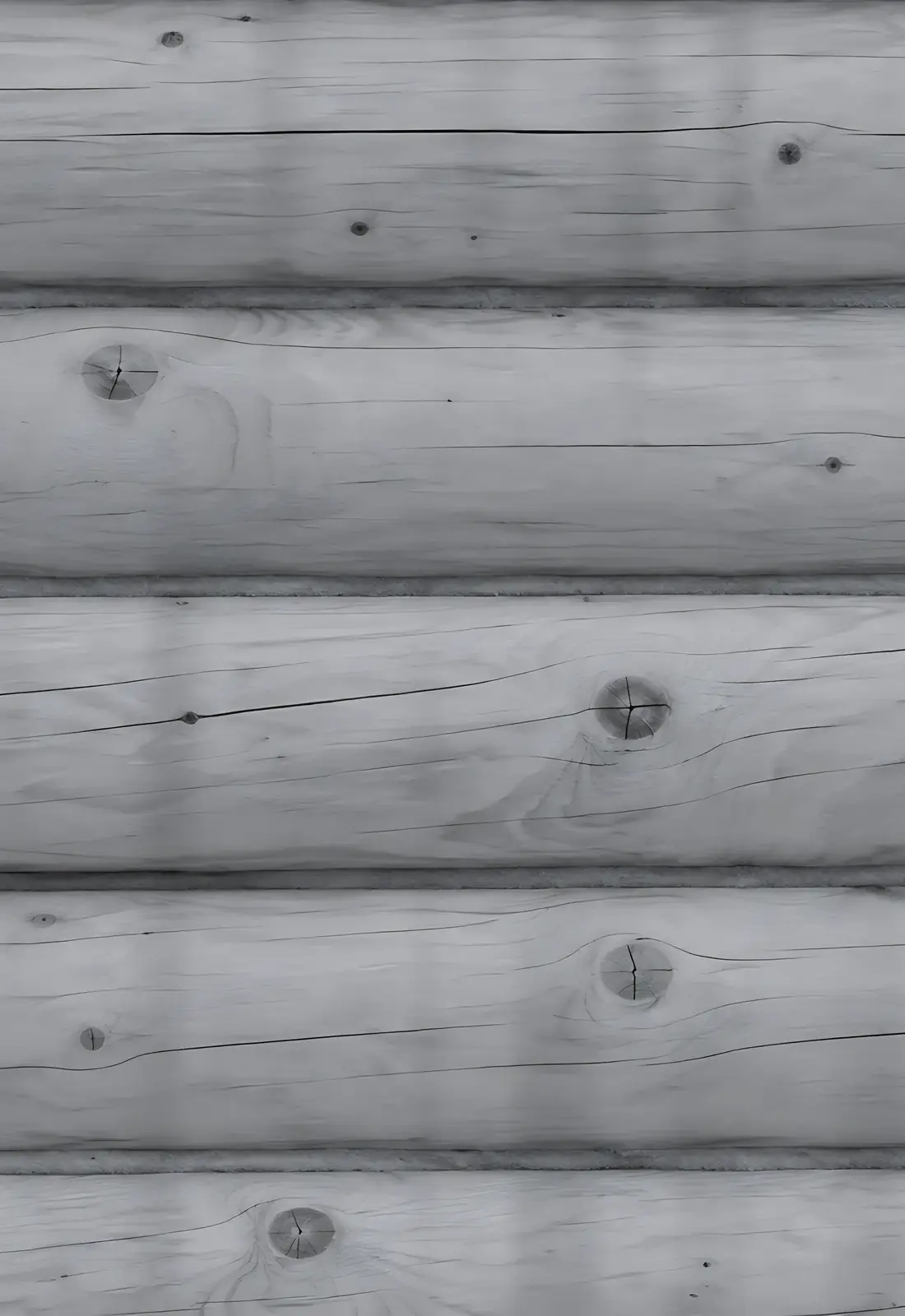


- Surface
- Grey, mildewed, old finishBlasted back to bare woodStained and sealed
- Method
- Scroll to strip itCorncob or glass bead, no waterSprayed, then back-brushed by hand
“Our home turned from old to new like it was just built.”Francis and Marilyn, Vermont
Old to new,one log at a time.
Media blasting, chinking, staining and rotted-log replacement for log homes across New England and New York, since 2005.
Since 2005 · Fully insured · Lowell, Vermont
Six jobs, before and after.
Every photograph here is from a High Country job. Pick the work and watch the old wall give way to the finished one. “There’s no one size fits all approach.”
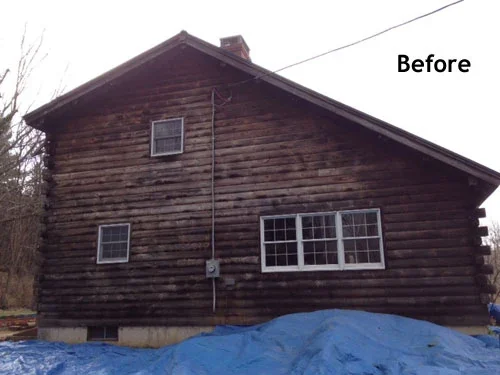
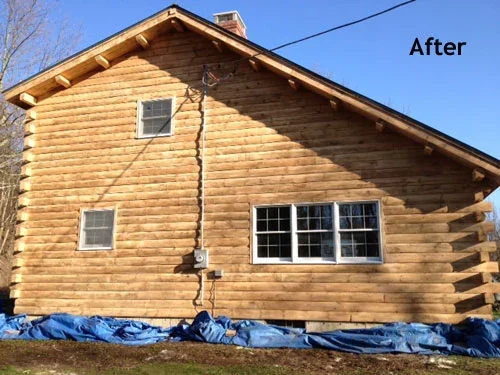
Strip the old finish without soaking the logs.
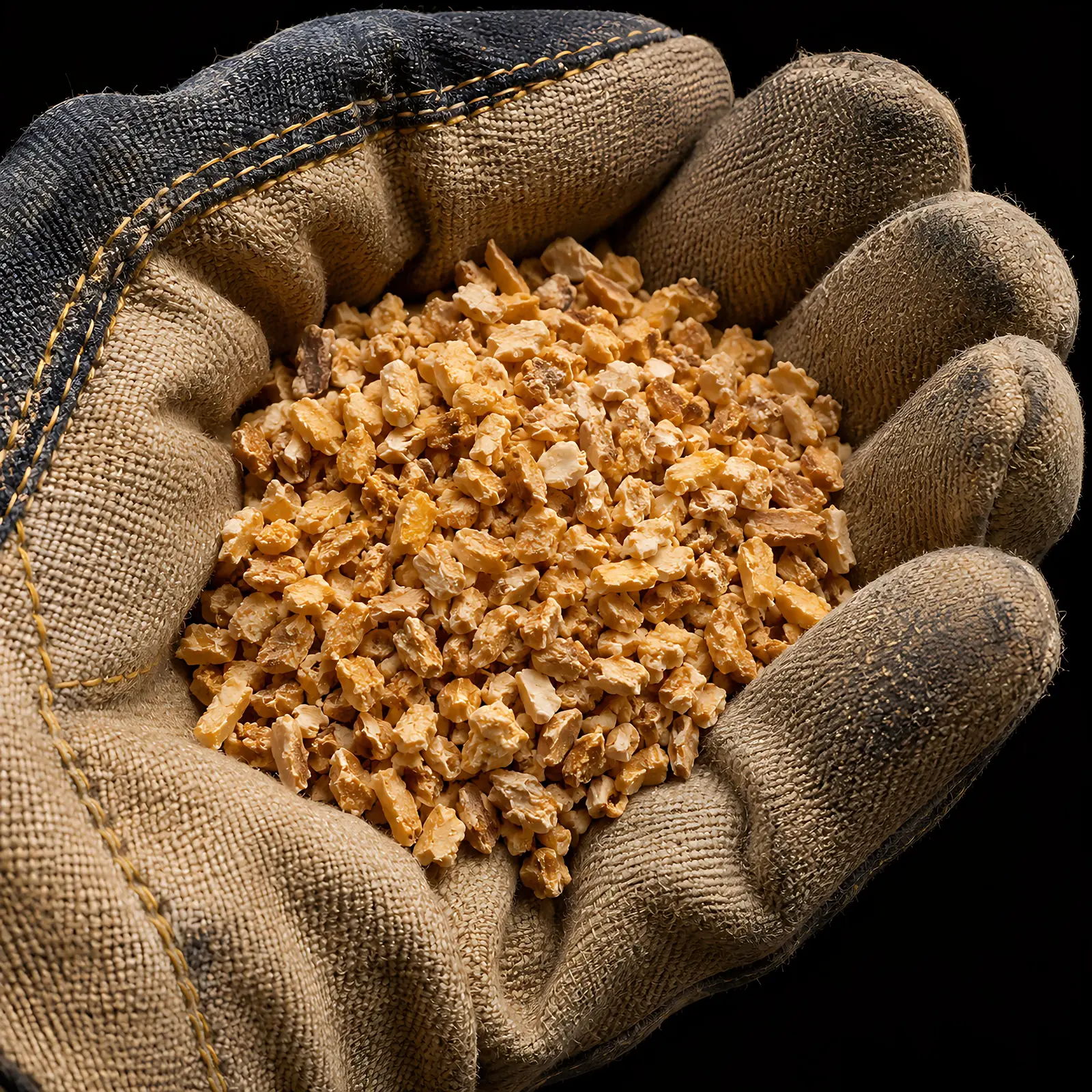
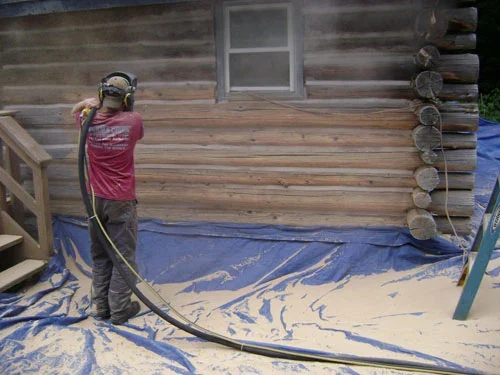
Compressed air and corncob or glass-bead media take off old stain, mold and discoloration and open the grain for new stain. Then every log is buffed with Osborn brushes to knock down raised fibers, and borate goes on. Log ends get extra care.
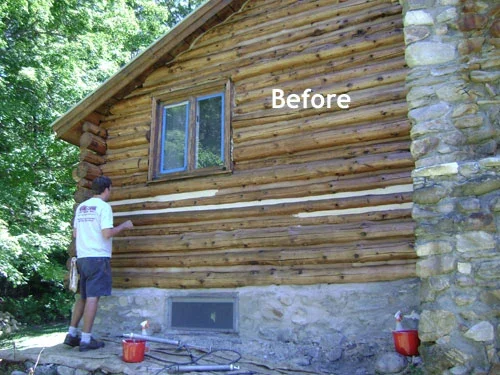
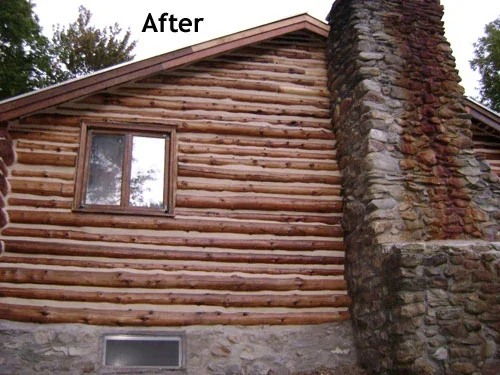
Gaps over 3/4 inch get chinked. Smaller ones get caulked.
Acrylic latex chink goes over backer rod with powered chinking guns, and acrylic caulk is matched in color. Natural checks in the logs stay open, as nature intended.
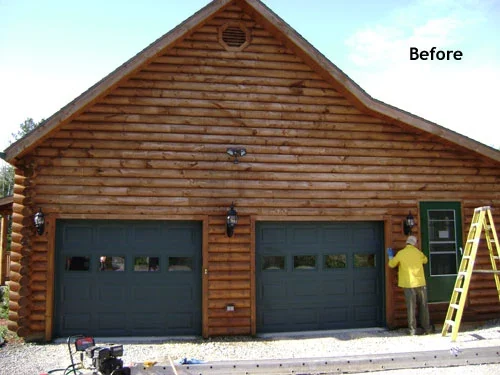
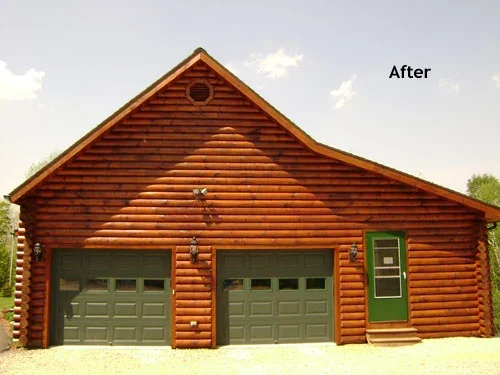
Never use house paint on a log home.
Oil, water or water-based latex stain, chosen for the climate and the sun on your house. Blasted homes are sprayed at low pressure and back-brushed by hand; re-stains are washed, repaired and dried first. No stain on a moist surface.
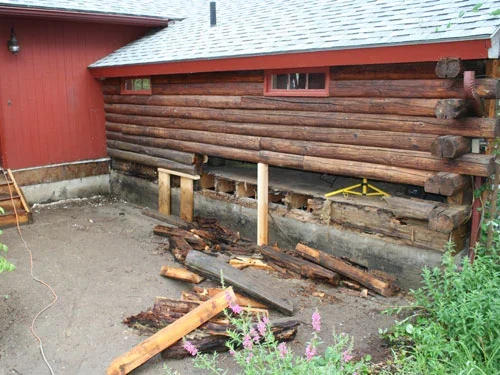
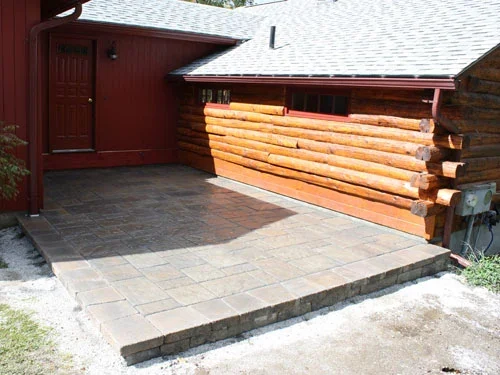
Match the species, shape it to the profile.
From a single log to a whole side, on new homes and on cabins from the late 1800s. The cause gets fixed, the new log is borate-treated, and the section is re-stained to blend. Structural work at corners, openings and sills.
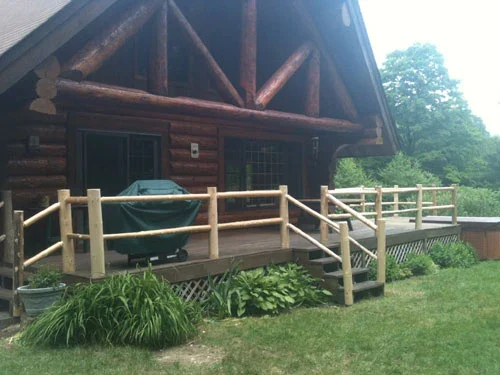
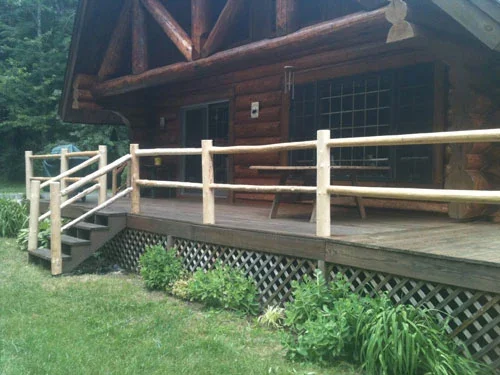
Carpentry, because log homes need someone who gets them.
Custom log railings and steps, decks and porches, doors and windows installed or moved, interior and exterior trim, and log siding. Clients kept asking, because it is hard to find people who can work with log structures.
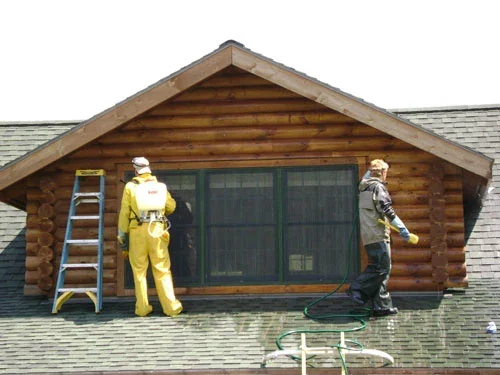
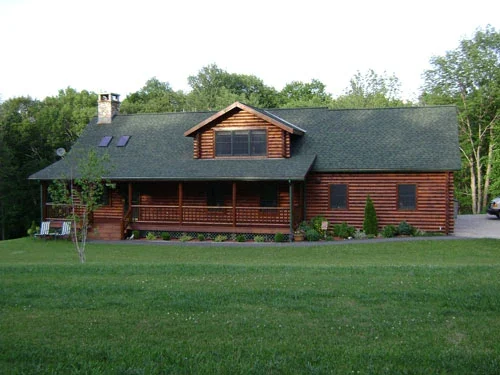
A SoftWash© every two years keeps the stain working.
Full inspection, mold scrubbed, the house washed, stain, chink and caulk touched up, and a written report. Inspections for log home buyers and real estate agents, too.
“You have to know what you’re doing when you start blasting someone’s home.”
From the High Country FAQ
Corncob or glass bead.
Properly done, media blasting with either does not damage the log surface. For full restorations the crew has moved almost exclusively to glass media.
No water driven into the wood.
Chemical stripping with a pressure washer pushes water into the logs. Blasting is a dry strip, and the crew cleans up as it goes and again at the end.
Borate on every bare log.
After blasting the whole surface is treated with borate, a water-based preservative that protects against insects, before any stain goes on.
On site with the crew.
Tarps down, ladders up, one wall at a time. Swipe through days on the job.
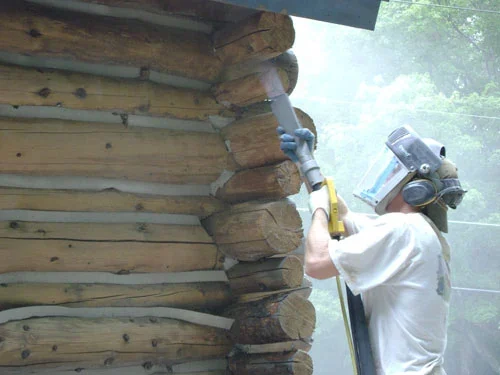
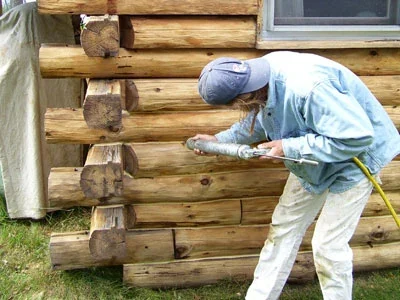
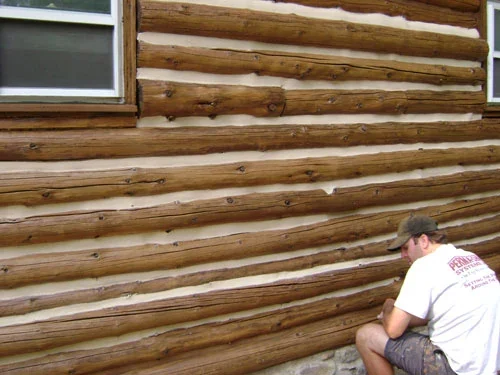
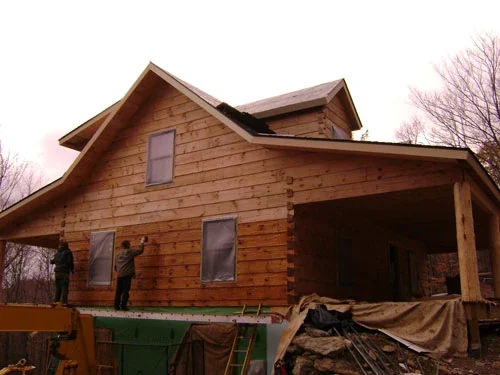
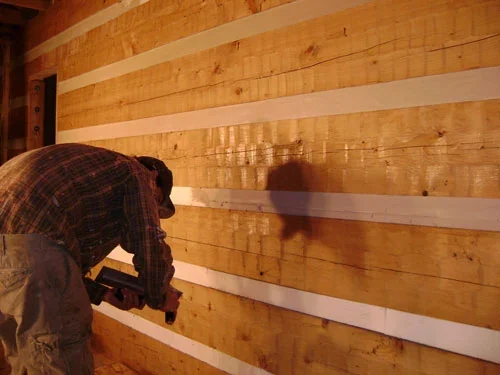
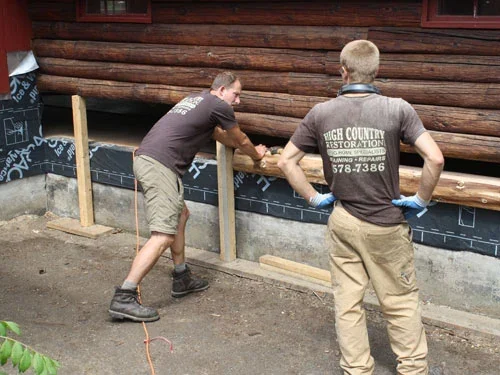
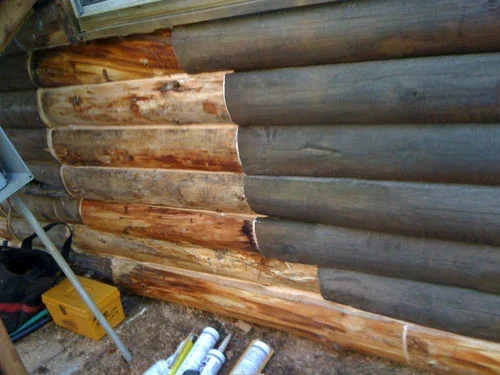
Dry logs are healthy logs.
Jason’s rule for upkeep, from the High Country FAQ: keep shrubs and trees back so the logs can breathe, and watch the log ends on the corners.
What log home owners ask Jason.
With your headquarters in Northern Vermont, how far can you travel to do projects?
Connecticut, Rhode Island, Massachusetts, New Hampshire, Maine, New York and northeastern Pennsylvania. Materials are drop-shipped to the site, and crews stay near the job for weeks at a time.
Does media or corn blasting damage or deteriorate the surface of the logs?
Done properly with corncob or glass beads, it removes old finish, mold and discoloration without eating into the logs. You have to know what you’re doing, and that is the job.
How often should I have my log home cleaned and touched up?
Inspect every year. SoftWash at least every two years, with stain, chink and caulk touch-ups where they are needed.
I have some significant rot in the logs on one side of our home. How can you replace them?
First the species of log is identified. Then the replacement is cut and shaped by hand to the profile of the others, the cause is fixed, and the section is re-stained to blend.
How do I protect my log home from insects that damage the logs?
Good stain, sound chink and caulk, no mold, and air moving around the house. After blasting, the whole surface is treated with borate.
Are there any environmental issues resulting from media blasting my log home?
“The simple answer is no.” Corncob and glass bead are safe for people and plants, and the site is cleaned up as the work goes and again at the end.
Look every year. Wash every two.
- Year 0Restored
- Year 1Inspect
- Year 2SoftWash©
- Year 3Inspect
- Year 4SoftWash©
The SoftWash© package, item by item.
- Full inspection of the logs, chinking and caulking.
- Scrub areas of mold and remove any peeling on surface areas.
- SoftWash© the home with a cleaning solution.
- Touch up stain, chinking and caulking as needed.
- A written report explaining any issues the homeowner should address.
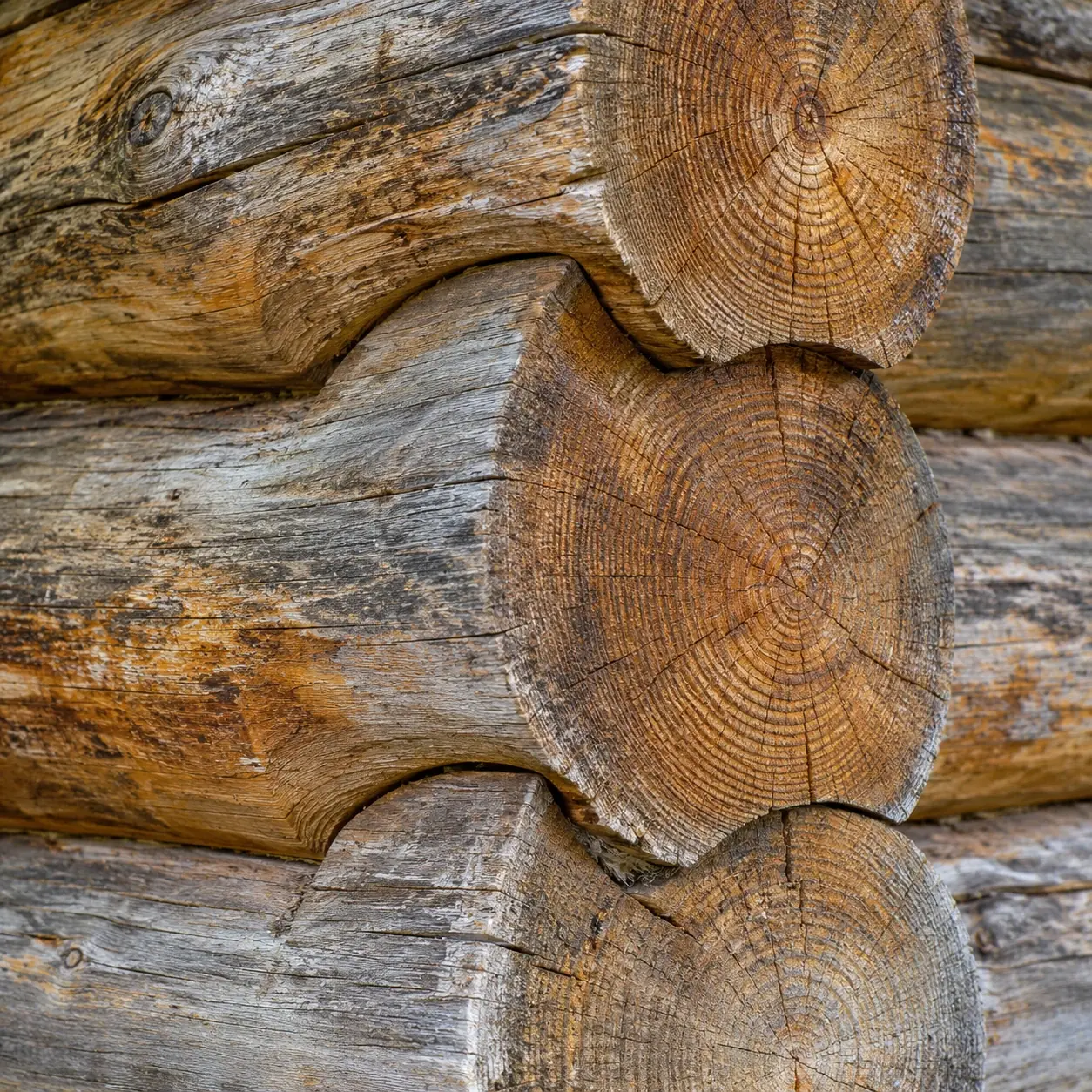
Rot starts where water sits: log ends open to rain runoff, dark corners where snow builds up, shrubs crowding the wall. Those are the first places an inspection looks.
Based in northern Vermont. Working in seven more states.
- VermontHome base
- New Hampshire
- Maine
- Massachusetts
- Connecticut
- Rhode Island
- New York
- Pennsylvania
“We have materials drop shipped to job sites, make living arrangements for crews to work for weeks at a time, and are well-prepared for the contingencies that arise on any project.”High Country FAQ
New England, the Adirondacks and the Saratoga Lake region, plus northeastern Pennsylvania. One large job just outside New York City was finished on time through Hurricane Sandy.
In their words.
“Our log house is an important part of our family tradition and High Country Restoration treated it like it was part of their family.”
“Your recommendation on media blasting the interior and exterior was the best decision and your choice of stain was a perfect match for our home.”
“They built new log steps out of the same material. Jason, Ryan and their crew did a terrific job for us.”
“The High Country team was knowledgeable, professional, and made recommendations for the preservation of our home including caulking which we would not have thought about.”
“Most of my clients have used High Country and they have been very happy with the results.”
Quoted from the client notes published on highcountryrestoration.com.

87 MountainDr.
Lowell, Vermont 05847 · Since 2005
Get a cost estimate.
From the first meeting and on-site inspection to the final contract, Jason walks you through how the work is done, what your options are, and the most cost-effective approach for your home.